miele washing machine w1 manual
Miele W1 Washing Machine Manual: A Comprehensive Guide
Welcome! This manual assists with your Miele W1 Classic Eco or Twindos model. It details operation, maintenance, and troubleshooting, ensuring optimal performance and longevity of your appliance.
The Miele W1 series represents a pinnacle of laundry technology, embodying over a century of German engineering and a commitment to exceptional quality. Born in 1899 in Herzebrock-Klute, Germany, Miele has consistently set industry standards for durability and performance. These washing machines aren’t merely appliances; they are long-term investments designed for years of reliable service.
The W1 series, including both Classic Eco and Twindos models, caters to diverse laundry needs. Whether you prioritize eco-friendly washing or the convenience of automatic detergent dispensing, there’s a W1 machine to suit your lifestyle. This manual serves as your guide to unlocking the full potential of your Miele W1, ensuring optimal cleaning results and extending the lifespan of your garments. Expect a premium experience, reflecting Miele’s reputation as a leader in the appliance world.
Understanding the W1 Classic Eco Manual
The Miele W1 Classic Eco Manual provides comprehensive instructions for operating your washing machine efficiently and effectively. This model focuses on delivering excellent cleaning results while minimizing water and energy consumption – a key benefit highlighted by users. The manual details each wash program, explaining its specific application and settings for various fabric types and soil levels.
You’ll find detailed guidance on initial setup, including installation and connecting water supply. A crucial section covers the control panel, demystifying each button and indicator light. Understanding these controls is vital for customizing wash cycles to your precise needs. Furthermore, the manual outlines essential maintenance procedures, such as cleaning the detergent drawer and filter, ensuring optimal performance and longevity. Refer to this guide for troubleshooting common issues and maximizing your W1 Classic Eco’s potential.
W1 Twindos Manual: Key Features
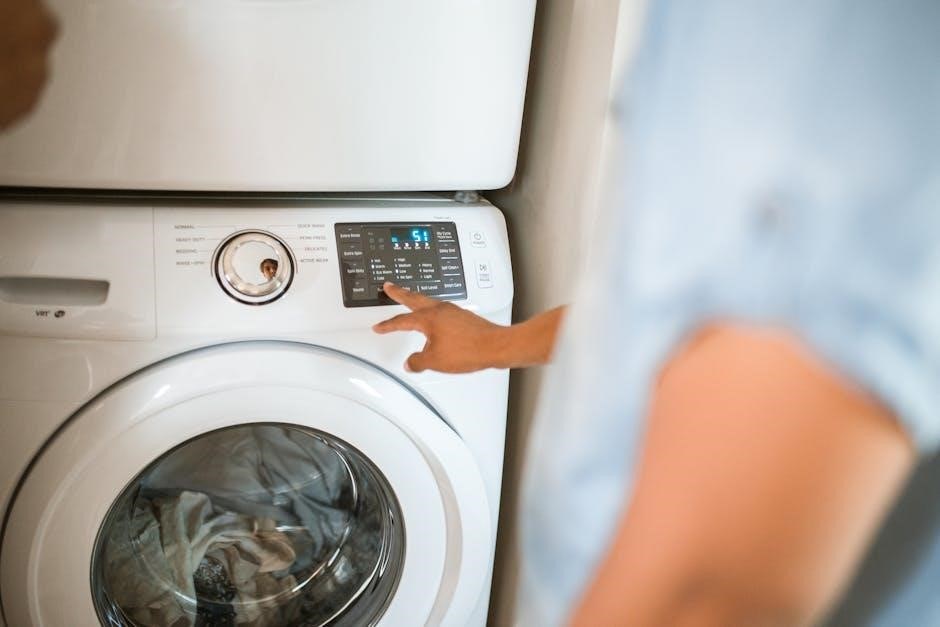
The Miele W1 Twindos Manual focuses on the advanced features of this innovative washing machine. A standout element is the automatic detergent dispensing system, Twindos, which precisely measures liquid detergents for optimal cleaning and fabric care. This system minimizes detergent waste and ensures consistently excellent results. The manual thoroughly explains how to fill and maintain the Twindos reservoirs.
Beyond Twindos, the W1 boasts features like CapDosing, allowing for the use of detergent capsules for specialized washes, and a Honeycomb Drum, designed for gentle fabric treatment. The manual details how to utilize these features effectively. It also provides in-depth explanations of automatic load recognition, which adjusts water and energy usage based on the load size. Mastering these features, as outlined in the manual, unlocks the full potential of your Miele W1 Twindos.

Key Features and Technologies
Miele W1 incorporates innovative technologies like Twindos, CapDosing, and a Honeycomb Drum. These features deliver exceptional cleaning performance, fabric care, and efficiency.
Twindos Automatic Detergent Dispensing System
Twindos revolutionizes laundry by automatically dispensing the precise amount of detergent needed for each wash load. This innovative system utilizes two separate compartments – one for liquid detergent and another for fabric softener.
Miele’s intelligent technology calculates the optimal dosage based on load size and fabric type, maximizing cleaning efficiency while minimizing detergent waste. Users simply fill the reservoirs, and Twindos handles the rest, potentially lasting for up to 20 wash cycles.
This feature not only simplifies the laundry process but also ensures consistently excellent results. It eliminates guesswork and prevents overuse of detergent, contributing to both environmental sustainability and cost savings. The system is designed for use with Miele’s UltraPhase detergents, further enhancing performance.
CapDosing: Utilizing Capsules for Specialized Washing
CapDosing offers a convenient solution for incorporating specialized detergents into your Miele W1 washing machine cycles. This system allows you to utilize pre-portioned capsules containing detergents for specific fabric care needs, such as down, wool, or waterproof garments.
Simply insert the capsule into the designated CapDosing compartment in the detergent drawer, and the machine will automatically dispense it at the appropriate time during the wash cycle. This ensures optimal cleaning and protection for delicate or technically advanced fabrics.
CapDosing eliminates the need for measuring and potential overuse of liquid detergents for specialized washes. It’s a user-friendly feature that expands the versatility of your Miele W1, allowing you to confidently care for a wider range of clothing items and maintain their quality.
Honeycomb Drum: Gentle Fabric Care
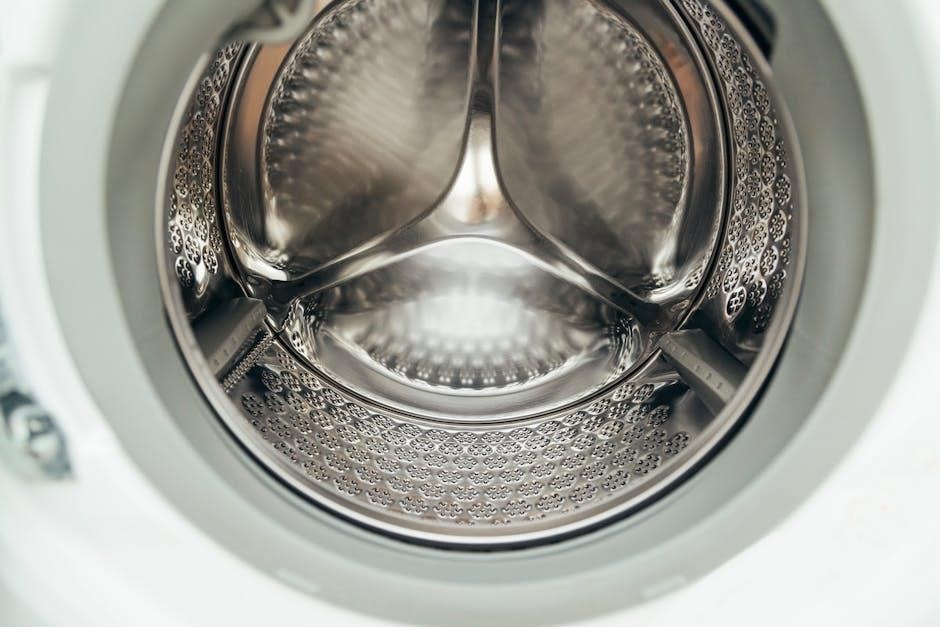
The Miele W1’s Honeycomb Drum is a key feature designed to provide exceptional care for your clothes. Unlike traditional drum surfaces, the honeycomb structure creates a thin film of water between the drum and your laundry.
This reduces friction significantly, minimizing wear and tear on fabrics, and preventing damage like pilling or stretching. The unique design allows garments to glide smoothly during the wash cycle, resulting in gentler cleaning, even for delicate items.
The raised ridges of the honeycomb also help to lift dirt and stains more effectively, contributing to a superior wash performance. This innovative drum construction is a testament to Miele’s commitment to both cleaning power and fabric preservation, extending the life of your wardrobe.
Automatic Load Recognition
Miele W1 washing machines feature intelligent Automatic Load Recognition technology. This system dynamically adjusts water intake and wash time based on the weight and type of laundry loaded into the drum. It eliminates guesswork, ensuring optimal resource utilization and preventing wasted water and energy.
Sensors accurately determine the load size, even with mixed fabric types. The machine then selects the most efficient settings for a thorough clean, avoiding over-washing or under-washing. This feature contributes to both superior cleaning results and environmental responsibility.
Automatic Load Recognition simplifies the washing process, providing convenience and peace of mind. It’s a core component of Miele’s commitment to intelligent appliance design, delivering performance tailored to your specific laundry needs.
Operating Your Miele W1
Let’s begin! This section guides you through initial setup, understanding the control panel, selecting appropriate wash programs, and customizing settings for optimal results.
Initial Setup and Installation
Unpacking and Placement: Carefully unpack your Miele W1 washing machine, removing all transportation bolts – crucially important to prevent damage during operation. Position the machine on a level, stable surface, ensuring adequate ventilation around the unit. Connect the water inlet and drain hoses securely, verifying no leaks are present.
Electrical Connection: Ensure the voltage matches the machine’s specifications. Use a grounded outlet and avoid extension cords if possible. Once connected, power on the machine and follow the on-screen prompts for initial configuration. This typically involves setting the language, water hardness, and potentially connecting to your home Wi-Fi network for smart features.
First Wash: Before the first load, run an empty wash cycle with a small amount of detergent to clean the drum and hoses; This removes any residual manufacturing debris and prepares the machine for regular use. Refer to the full manual for detailed instructions and safety precautions.
Understanding the Control Panel
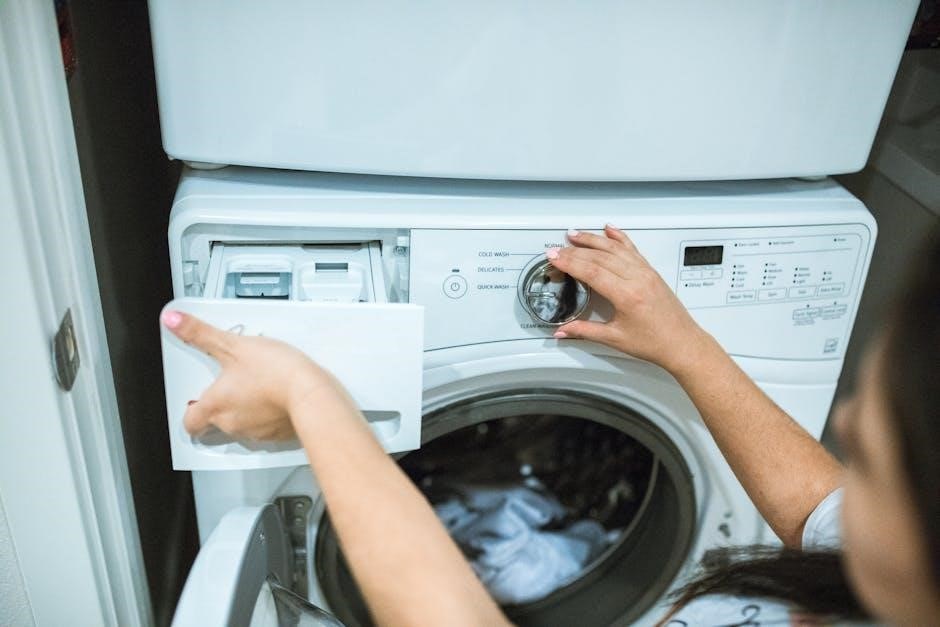
Display and Buttons: The Miele W1 features a user-friendly control panel, typically incorporating a rotary selector dial and touch-sensitive buttons. The central display provides clear information regarding the selected program, remaining time, temperature, and any active options. The rotary dial allows for easy program selection, while buttons modify settings like spin speed and pre-wash.
Program Indicators: Illuminated icons indicate the currently selected wash program – cottons, delicates, synthetics, and specialized cycles. Additional indicators signal active options such as ‘Extra Quiet’ or ‘Short’. Familiarize yourself with these icons for efficient operation.
Special Functions: Dedicated buttons often control features like ‘Start/Pause’, ‘Options’, and ‘Twindos’ (if equipped). The ‘Info’ button provides access to helpful tips and error messages. Consult the manual for a complete explanation of each control and its function.
Selecting Wash Programs
Program Dial: The Miele W1 offers a diverse range of wash programs tailored to different fabric types and soiling levels. Utilize the rotary selector dial to navigate through options like ‘Cottons’, ‘Delicates’, ‘Synthetics’, ‘Wool’, and ‘Proofing’. Each program is pre-set with optimal temperature, spin speed, and wash duration.
Specialized Cycles: Beyond standard programs, the W1 includes specialized cycles such as ‘Shirts’, ‘Jeans’, ‘Dark Garments’, and ‘Automatic’. These cycles are designed to protect specific fabrics and maintain their color and shape. Explore these options for optimal results.
Consider Load Type: Always select a program appropriate for the load’s composition and degree of soiling. For heavily soiled items, consider using a higher temperature or pre-wash option. Refer to garment care labels for guidance;
Adjusting Program Settings
Temperature Control: Fine-tune wash temperatures using the temperature selection buttons. Miele W1 machines offer options ranging from cold wash to 90°C, allowing you to cater to specific fabric requirements. Lower temperatures are ideal for delicates and color preservation.
Spin Speed: Modify spin speed to control moisture content. Higher spin speeds reduce drying time but can cause more wrinkles. Select lower speeds for delicate items to minimize stress. Options typically range from No Spin to 1600 rpm.
Soak & Pre-Wash: Utilize the ‘Soak’ function for heavily soiled items, allowing them to pre-soak before the main wash cycle. The ‘Pre-wash’ option adds an extra wash cycle for stubborn stains. Adjust these settings based on load needs.
Maintenance and Care
Regular upkeep is crucial for your Miele W1. This section details cleaning procedures for the detergent drawer, drum, filters, and descaling—ensuring peak performance and longevity.
Cleaning the Detergent Drawer
Maintaining a clean detergent drawer is vital for optimal washing performance and preventing unpleasant odors. Miele recommends regular cleaning, ideally every 3-6 months, or more frequently with heavy use. Begin by removing the drawer completely – typically, a release button needs to be pressed.
Rinse the drawer thoroughly under warm running water, using a soft brush to remove any detergent or fabric softener residue. Pay close attention to the compartments and any narrow openings. For stubborn build-up, soak the drawer in warm water with a mild cleaning agent.
Avoid abrasive cleaners or scouring pads, as these can damage the drawer’s surface. Once cleaned, rinse thoroughly and allow to dry completely before reinserting it into the washing machine. A clean drawer ensures proper detergent dispensing and prevents blockages, contributing to the longevity of your Miele W1.
Cleaning the Drum
Regular drum cleaning is crucial for maintaining hygiene and preventing odors within your Miele W1 washing machine. Miele recommends utilizing a dedicated washing machine cleaner, or a solution of citric acid, approximately every 50 wash cycles. Run a hot wash cycle – ideally 60°C (140°F) – with the cleaner, ensuring the drum is empty.
Avoid using harsh chemicals like bleach, as they can damage the drum’s stainless steel and rubber components. For lingering odors, consider adding a few drops of essential oil to the detergent compartment during the cleaning cycle.
After the cycle completes, wipe down the drum interior with a clean, damp cloth. This removes any remaining residue and ensures a fresh, clean environment for your laundry. A consistently clean drum contributes to the longevity and performance of your Miele W1 washing machine.
Filter Cleaning Procedures
Regular filter cleaning is vital for optimal Miele W1 performance, preventing drainage issues and ensuring efficient operation. Locate the filter access panel, typically at the front bottom of the machine. Have a shallow container and towels ready to catch any residual water.
Carefully open the panel and unscrew the filter cap – turn counterclockwise. Remove the filter and clean it thoroughly under running water, removing lint, hair, and small objects. Inspect the filter housing for any obstructions and clear them as needed.
Reinstall the filter, ensuring it’s securely tightened. Close the access panel. Miele recommends cleaning the filter every 20-30 wash cycles, or more frequently if you wash heavily soiled items. Neglecting filter maintenance can lead to reduced washing performance and potential damage.
Descaling the Washing Machine
Descaling your Miele W1 is crucial, especially in areas with hard water, to maintain performance and longevity. Limescale buildup can reduce heating efficiency and damage internal components. Miele recommends using their dedicated descaling product, but citric acid can also be used as an alternative.
Initiate the descaling program via the control panel – consult your W1 manual for specific instructions as program names may vary. Pour the descaling solution into the detergent dispenser. Run the program without any laundry inside.
After the program completes, run an extra rinse cycle to remove any remaining descaling solution. Miele suggests descaling every 50 wash cycles, or more frequently depending on water hardness. Regular descaling prevents costly repairs and ensures your W1 continues to operate efficiently.

Troubleshooting Common Issues
This section addresses frequent problems with your Miele W1. It covers error codes, drainage difficulties, and water supply concerns, offering solutions for smooth operation.
Error Codes and Their Meanings
Miele W1 washing machines utilize error codes to diagnose issues. Understanding these codes is crucial for effective troubleshooting. For example, a flashing light or a specific alphanumeric code displayed on the control panel indicates a problem.
Common codes include F161 (water inlet issue), F183 (drainage problem), and F045 (temperature sensor fault). Refer to your specific model’s manual for a complete list, as codes can vary.
If an error occurs, first try pausing and restarting the machine. If the error persists, consult the manual for the recommended action. Some errors may require professional service. Ignoring error codes can lead to further damage. Always disconnect the appliance from the power supply before attempting any repairs yourself. Detailed explanations and potential solutions for each code are provided within the comprehensive Miele W1 manual.
Addressing Drainage Problems
Drainage issues are common with washing machines. If your Miele W1 isn’t draining, first check the drain hose for kinks or obstructions. Ensure it isn’t inserted too far into the drainpipe, which can cause siphoning.
Next, inspect the drain pump filter, located at the front of the machine, typically behind a small access panel. Carefully remove and clean the filter, removing any lint, coins, or debris.
If the problem persists, there might be a blockage further down the drainpipe. A professional plumber may be needed to clear this. Error code F183 often indicates a drainage fault. Always disconnect the power before accessing the pump filter. Refer to your Miele W1 manual for specific filter location and cleaning instructions. Regular filter cleaning prevents future drainage problems.
Resolving Water Supply Issues
Water supply problems can prevent your Miele W1 from filling correctly. First, ensure both the water supply taps are fully open. Check the inlet hoses for kinks or blockages, and verify they are securely connected to both the washing machine and the water supply.
Inspect the inlet filters, located where the hoses connect to the machine, for sediment or debris. Carefully remove and clean these filters. Error code F24 or F25 often indicates water supply issues.
Low water pressure can also be a cause. If other taps in your home have low pressure, contact your water provider. If the issue is isolated to the washing machine, a faulty inlet valve might be the problem, requiring professional repair. Always consult your Miele W1 manual for specific component locations.
Additional Information
For complete details, refer to your Miele W1’s warranty information. Miele customer support is readily available for assistance with any questions or concerns regarding your appliance.
Miele Warranty Details
Miele provides comprehensive warranties on its W1 washing machines, reflecting their commitment to durability and quality. Standard warranties typically cover one year for parts and labor, protecting against manufacturing defects. Extended warranty options are frequently available for purchase, offering coverage for up to five years or more, providing peace of mind beyond the initial period.
Warranty coverage includes repair or replacement of defective parts and labor costs associated with authorized Miele service technicians. It’s crucial to register your W1 washing machine promptly after purchase to activate the warranty. The warranty does not cover damage resulting from misuse, improper installation, or lack of regular maintenance, such as filter cleaning or descaling.
Keep your proof of purchase and warranty documentation readily accessible. For specific warranty terms and conditions applicable to your model and region, consult the official Miele website or the warranty booklet included with your appliance. Understanding these details ensures you can fully benefit from Miele’s commitment to customer satisfaction.
Contacting Miele Customer Support
Miele offers multiple channels for customer support regarding your W1 washing machine. For immediate assistance, their dedicated phone support is available during business hours; check the Miele website for specific timings in your region. Online support is readily accessible through their comprehensive website, featuring FAQs, troubleshooting guides, and downloadable manuals – including this W1 manual.
You can also submit inquiries via Miele’s online contact form, receiving a response from a qualified representative within a specified timeframe. Social media channels, like Facebook and Twitter, provide another avenue for quick questions and updates. For complex issues requiring on-site service, Miele’s network of authorized technicians can be scheduled through their service request portal.
Before contacting support, have your appliance’s model number and serial number readily available. This information expedites the process and ensures accurate assistance. Miele prioritizes customer satisfaction and strives to provide efficient and effective support for all its products.
Leave a Reply