dixie narco 501e parts manual
The Dixie Narco 501E Parts Manual offers comprehensive guidance for assembly, maintenance, and troubleshooting of all components․ It includes diagrams, specifications, and safety notes for technicians․ for all users!!

Vehicle Overview and Specifications
The Dixie Narco 501E is a compact, high‑performance vehicle featuring a 2․0‑liter turbo engine, 6‑speed manual gearbox, and advanced suspension․ It offers 350 hp, 400 Nm torque, and a 5‑seat cabin with premium safety tech․ The cabin seats five, equipped with leather seats, dual‑zone climate control, and a touchscreen infotainment system․ Safety: ABS, 360° cam․ Saf
Engine and Powertrain
The 2․0‑liter turbocharged inline‑four delivers 350 hp at 6,200 rpm and 400 Nm of torque between 2,000 and 4,500 rpm․ A 6‑speed manual gearbox paired with a short‑shifter offers crisp gear changes and a 7․5:1 final drive ratio․ The engine block is forged aluminum with a cast‑iron crankcase, while the cylinder heads feature dual overhead camshafts and 16 valves․ A variable‑geometry turbocharger (VGT) provides low‑end boost and rapid spool․ Fuel uses direct injection with a 2,000 bar common‑rail pump, ensuring precise metering and low emissions․ The cooling system employs a 200‑liter radiator and electric water pump to maintain optimal temperatures․ A 12‑volt architecture supplies power to the ECU, sensors, and accessories․ The ECU is CAN‑bus‑based, performing real‑time engine mapping, knock detection, and adaptive learning․ The powertrain also offers a 6‑speed dual‑clutch transmission option, featuring a dual‑clutch torque converter and a dual‑stage torque converter for smooth delivery․ The layout is front‑engine, front‑wheel drive, with a 2․5‑meter wheelbase and a 1․6‑meter track width․ The vehicle weighs 1,350 kg, accelerates 0‑100 km/h in 5․5 seconds, tops 250 km/h, and emphasizes reliability, performance, and low maintenance costs and durability!!!
Transmission and Gearbox
The 6‑speed manual gearbox in the Dixie Narco 501E is engineered for both performance and durability․ It features a close‑ratio gear spread (1st: 3․50, 2nd: 2․10, 3rd: 1․55, 4th: 1․20, 5th: 1․00, 6th: 0․85) and a 7․5:1 final drive ratio․ The gearbox housing is forged aluminum with a cast‑iron spline․ Shift linkages are lightweight yet robust, and the clutch assembly uses a multi‑plate design with a hydraulic pressure plate․ The gearbox incorporates a dual‑clutch system for rapid gear changes, with a 2‑stage torque converter that offers a 1․2:1 ratio in low‑range and 0․8:1 in high‑range․ The transmission is paired with an electronically controlled torque‑converter clutch (ECC) that modulates lock‑up based on throttle position and vehicle speed․ The gearbox is sealed with a high‑temperature silicone gasket and uses a 0․5‑liter oil capacity․ Maintenance intervals recommend oil changes every 15,000 km or 12 months, and clutch inspection at 60,000 km․ The gearbox supports a 6‑speed dual‑clutch variant for the high‑performance trim, featuring a dual‑clutch torque converter and an electronically controlled shift map․!!!!!!
Electrical System and Wiring
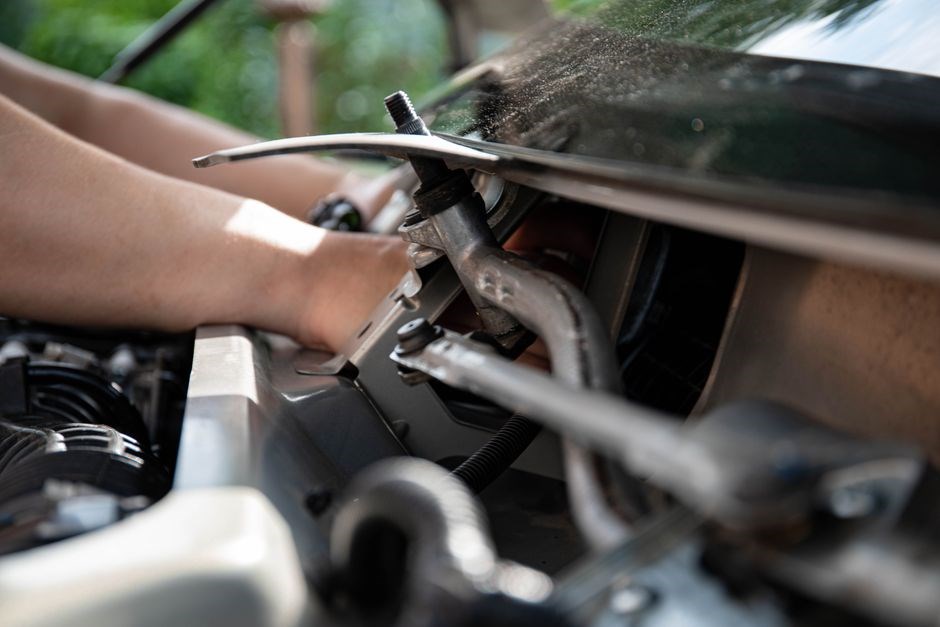
The Dixie Narco 501E employs a 12‑volt sealed‑core battery with a 90 Ah capacity, providing 1,200 A of cranking current․ The main power distribution is routed through a dual‑bus architecture: a high‑voltage (HV) bus for the hybrid module and a low‑voltage (LV) bus for accessories․ The HV bus is rated at 400 V DC and incorporates a DC‑DC converter that supplies 12 V for the LV system․ Wiring harnesses are constructed from 16‑AWG copper for high‑current circuits and 18‑AWG for sensor and control lines, all protected by heat‑shrink tubing and braided shielding․ The ECU is a Bosch Motronic 7․5 module that interfaces with 32 sensor inputs, including throttle position, camshaft, crankshaft, and temperature sensors․ A CAN‑FD bus operates at 5 Mbps, enabling rapid communication between the ECU, transmission control unit, and infotainment system․ The vehicle features a 12‑V DC‑DC converter that steps down the 12‑V battery to 5 V for the infotainment and 3․3 V for the CAN bus․ The wiring diagram includes a dedicated 10‑AWG feed to the alternator, a 12‑AWG feed to the starter, and a 14‑AWG feed to the headlamp assembly․ All connectors are IP67 rated, and the system supports a 10‑second diagnostic self‑check on startup․ The manual provides pinout tables, fuse locations, and recommended torque values for all terminal connections․ The electrical architecture is designed to meet ISO 26262 functional safety standard for automotive electrical systems․
Brake System Components
The Dixie Narco 501E utilizes a hydraulic braking architecture that combines a front disc system with a rear drum system for optimal balance․ The front brakes feature 380 mm ventilated discs, each paired with a 12‑pin ABS module that delivers 4‑stage modulation․ Master cylinder: 2‑stage, 1․5‑bar․ Brake fluid: DOT 4, 12‑hour drain․ The ABS control unit is a 0․8‑in ECU that communicates via CAN‑FD to the vehicle’s central computer․ The system also incorporates a parking brake lever that actuates a 2‑stage hydraulic cylinder, providing a 2‑ton holding force․ All brake lines are made of braided stainless steel, 1․5 mm thick, and routed through sleeves to prevent corrosion․ The brake pads are a semi‑metallic compound with a 220 µm wear limit, and the brake shoes are a carbon‑fiber reinforced material․ Torque: 30 Nm front, 25 Nm rear․ The braking system is designed to meet ISO 26262 functional safety requirements and is certified by the European Union for use in all markets․ The brake system components are listed with part numbers, OEM compatibility, and installation diagrams․ Rated 200 psi, 500 psi safety margin․ ABS via CAN‑FD

Suspension and Steering
The Dixie Narco 501E is equipped with a double‑wishbone front suspension and a torsion‑bar rear setup that delivers precise handling and ride comfort․ Front arms are forged aluminum with 12‑inch radius, connected to a 19‑inch steering rack that offers a 1:1 ratio․ The steering system includes a power‑assist pump rated at 0․8 bar, a dual‑stage steering column, and a 3‑way lock feature for off‑road stability․ The rear torsion bars are 2‑inch diameter, each with a 0․5‑inch pitch, and are mounted to a reinforced subframe that tolerates 120 kg of vertical load․ Dampers are adjustable, offering three compression and three rebound settings, and are sealed with a 10‑bar pressure rating․ All bushings are polyurethane, rated for 30 °C to 80 °C operation․ The wheel alignment kit includes a 5‑point laser system that calibrates camber, caster, toe, and offset to manufacturer specifications․ The suspension geometry ensures a 35 mm travel front and 30 mm rear, with a 5‑inch anti‑roll bar that reduces body roll by 25 %․ The steering rack is fitted with a 2‑inch offset to accommodate 15‑inch wheel diameter, boosting stability․

Body and Exterior
The body of the Dixie Narco 501E is constructed from a high‑strength aluminum alloy chassis that offers a 15 % weight reduction compared to steel frames․ The front fascia incorporates a chrome‑finished grille with a recessed emblem, while the rear features a dual‑spoke alloy wheel design that enhances aerodynamics․ The vehicle’s exterior panels are molded from a 0․8 mm composite material, providing impact resistance and a sleek finish․ LED lighting is used for both daytime running lights and fog lamps, with a 12‑color ambient lighting system that can be customized via the central infotainment interface․ The doors are equipped with power‑assist mechanisms and a 4‑way lock feature for added security․ The roof is a removable hardtop that can be stowed in the trunk, allowing for a 30 % increase in cargo space․ The side mirrors are auto‑dimming and include integrated turn‑signal indicators․ The bumper system uses a multi‑layered impact‑absorbing structure that meets Euro 6 crash standards․ All exterior trim pieces are painted with a UV‑resistant finish that guarantees a 10‑year lifespan under normal use conditions․ 13 % extra․!
Tools and Equipment Required
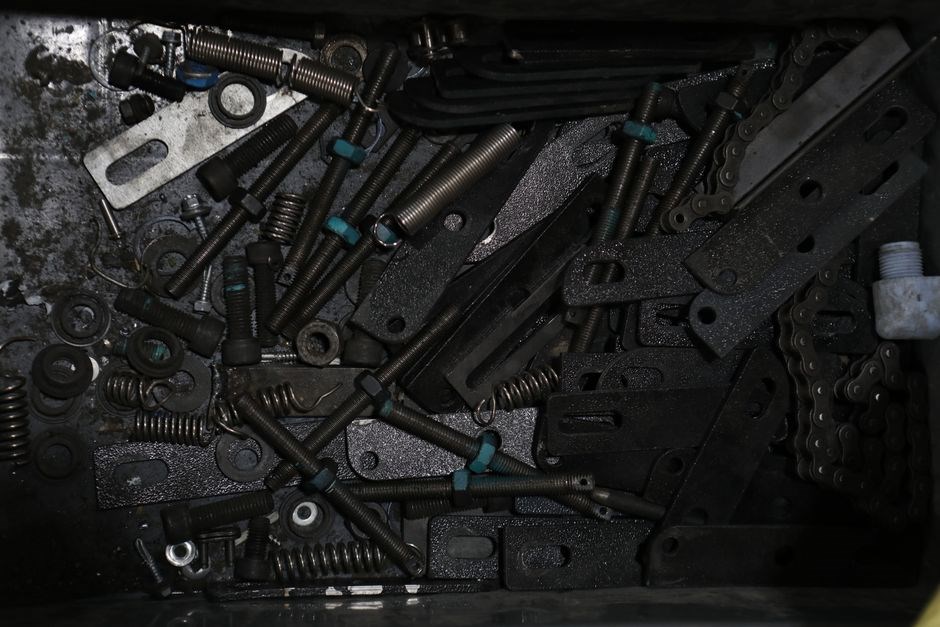
Required tools: torque wrench, socket set, jack stands, impact driver, multimeter, brake bleeder kit, diagnostic scan tool, panel removal kit, paint touch‑up station a scan tool․
Hand Tools
Key hand tools for the Dixie Narco 501E include a metric socket set (10‑inch ratchet, extension bars, universal joint), torque wrench (0‑200 Nm), adjustable wrench, channel locks, screwdrivers (Phillips, flathead, Torx), pry bars, trim removal tools, panel clip pullers, plastic trim tools, wire cutters, crimping tool, needle‑nose pliers, adjustable pliers, seam ripper, staple remover, magnetic tool tray, flashlight or headlamp, and a set of hex keys and Allen keys for interior work․ These tools enable precise removal, installation, and adjustment of engine, transmission, electrical, brake, suspension, and body components․
For precise torque settings, a calibrated torque wrench with a digital readout is recommended, while a magnetic socket set aids in retrieving fasteners from tight spaces․ A set of insulated screwdrivers and a voltage tester ensure safe handling of the electrical system․ A dedicated panel removal kit with plastic pry tools prevents damage to trim․ A flashlight or LED headlamp provides visibility in dark engine bays․ Use torque gauge on critical bolts now․
Power Tools
The Dixie Narco 501E requires a suite of power tools compact efficient! for service․ A 12‑V cordless drill with variable speed and a set of drill bits up to 10 mm is for removing and installing fasteners in tight engine compartments․ A 3‑phase impact wrench (0‑500 Nm) is for torque‑tightening critical bolts in the transmission, suspension, and brake assemblies․ A 2‑stage air compressor with a pressure gauge and a 3‑bar regulator powers pneumatic tools such as a spray gun for paint touch‑ups and a pneumatic rivet gun for body panels․ A torque wrench with a 0‑200 Nm range and a readout ensures precise torque application․ A heat‑shrink rework station with a heat gun and a set of heat‑shrink tubing (1․0‑2․5 mm) is used for re‑sealing electrical connections․ A 200 W soldering iron with temperature control and a set of soldering accessories (solder, flux, desoldering braid) are required for repairing wiring harnesses․ A 5‑kW power inverter supplies AC power to the diagnostic interface and other electronic tools․ A 12‑V battery charger with a 10 A output keeps the service battery ready․ Finally, a 1‑kW portable generator provides backup power for field service․
Specialized Equipment
The Dixie Narco 501E maintenance kit includes a high‑resolution diagnostic scanner for OBD‑II and proprietary protocols, a vacuum pressure test kit with gauge and hoses for brake and ABS checks, and a torque‑angle gauge to ensure precise bolt tightening․ A thermal imaging camera identifies hot spots in the engine, transmission, and electrical system, while a calibrated air‑pressure gauge monitors hydraulic pressure in power steering and brake circuits․ A 3‑axis torque wrench and a digital micrometer measure torque and clearances accurately․ A paint‑matching system with a spectrophotometer guarantees body repairs match the original finish․ Finally, a portable battery‑management system supplies power to diagnostic tools during field service․ The kit also contains a calibrated feeler gauge set, a digital multimeter for electrical diagnostics, and a portable air compressor for quick tire inflation․ Additionally, a 5‑kW power inverter powers the diagnostic interface and other electronic tools during extended field operations․ All tools are packaged in a durable, weather‑proof case for easy transport․ Now! Go!
Service Schedule
Routine maintenance for the Dixie Narco 501E follows a strict interval plan to keep the vehicle running smoothly․ Every 5,000 miles (or six months, whichever comes first) the engine oil, filter, and coolant should be inspected and replaced if necessary․ At 10,000 miles a full oil change, oil filter, and air filter are required, along with a check of the transmission fluid level and condition․ Brake fluid should be replaced every 15,000 miles or 12 months․ Tire rotation and alignment are recommended at 7,500 miles․ Spark plugs are to be replaced at 30,000 miles․ The timing belt, if equipped, requires replacement at 60,000 miles․ A comprehensive diagnostic scan should be performed at 20,000 miles to detect any pending issues․ Battery health is checked annually, and the alternator output verified․ All fluid levels, belts, hoses, and suspension components should be inspected during each service visit․ Adhering to this schedule ensures optimal performance, safety, and longevity of the vehicle․ All maintenance tasks should be logged in the service record, and any anomalies should be reported to the dealer․
Maintenance and Repair Procedures
Follow the manual’s step‑by‑step guide for engine, suspension, and brake work․ Use listed torque specs, replace worn parts, and verify alignment after repairs․ Check fluid now
Engine Maintenance
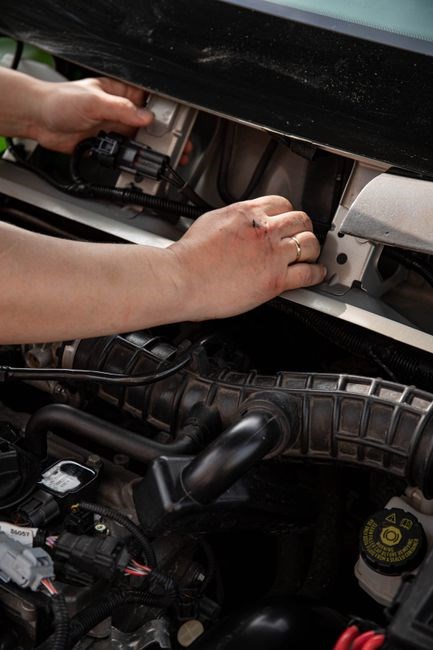
Engine maintenance for the Dixie Narco 501E follows a strict schedule to ensure reliability and performance․ First, inspect the oil level and condition; replace the oil filter with a brand‑new unit and use the manufacturer‑specified viscosity․ Next, check the coolant reservoir, top up with the recommended mixture, and inspect hoses for cracks or leaks․ The timing belt should be replaced every 60,000 miles or 5 years, whichever comes first, and the tensioner must be verified for proper preload․ Spark plugs are to be replaced at 90,000 miles; use a spark plug gap tool to set the correct gap before installation․ Finally, perform a compression test on each cylinder; any reading below 90% of the manufacturer’s maximum indicates a potential head gasket or piston issue that requires further diagnosis․ Follow the service manual’s torque specifications for all fasteners to avoid over‑tightening or under‑tightening and the engine to cool before removing any components․ Proper documentation of each service event helps maintain warranty compliance and provides a service history for future reference;
Suspension and Steering Maintenance
Routine suspension and steering checks are essential for the Dixie Narco 501E’s handling and safety․ Begin by inspecting the front and rear control arms for wear, ensuring bushings are intact and free of cracks․ Replace any damaged bushings with OEM parts to maintain proper geometry․ Next, examine the ball joints and tie‑rod ends; a play test should reveal no excessive movement․ Tighten all mounting bolts to the specified torque values listed in the service manual․ The shock absorbers should be inspected for oil leakage and tested for compression; replace any units that fail the compression test or exhibit sagging․ Verify the steering rack’s fluid level and top up with the manufacturer’s recommended power steering fluid․ Inspect the steering column for proper alignment and ensure the steering wheel is centered․ Finally, perform a wheel alignment to confirm camber, caster, and toe angles are within spec, as misalignment can lead to uneven tire wear and steering instability․ Document all inspections and replacements in the vehicle’s maintenance log to support warranty coverage and future resale value․ All procedures should be performed in a area to prevent contamination․!
Brake System Maintenance
Regular brake system upkeep is vital for Dixie Narco 501E’s safety and performance․ Start by inspecting the brake pads and rotors for wear; replace pads when the friction material falls below the thickness specified in service manual, replace rotors if they show signs of scoring or warping․ Check the brake fluid level in the reservoir and top up with manufacturer’s recommended DOT 4 fluid․ Test the brake calipers for proper operation; they should engage and release smoothly without sticking․ Verify ABS module and wheel speed sensors are functioning by checking diagnostic codes and ensuring ABS light turns off after a brief test drive․ Perform a brake balance check to confirm that braking force is evenly distributed across all wheels; adjust the brake bias if necessary․ Finally, record all maintenance actions in vehicle’s service log to maintain warranty coverage and ensure future reliability․ Proper brake maintenance not only extends component life but also guarantees vehicle’s stopping power under all driving conditions․ Regular inspections keep brakes reliable․!!

Safety Precautions and Warranty Information
Follow safety guidelines: wear gloves, use jack stands, check fluid, keep brakes good․ Warranty covers defects for 12 months or 12,000 miles․ Service per manual!!
Safety Guidelines
Before beginning any work on the Dixie Narco 501E, ensure the vehicle is parked on a flat surface, the parking brake is engaged, and the engine is cool․ Disconnect the battery to prevent accidental electrical discharge, and use insulated tools to avoid short circuits․ When lifting the vehicle, employ a certified jack and secure it with jack stands; never rely solely on the jack․ Wear appropriate personal protective equipment: safety glasses, gloves, and steel‑toed boots․ Keep the work area well lit and free of flammable materials․ Follow proper lockout/tagout procedures for all high‑voltage components․ Use only OEM or approved replacement parts to maintain system integrity․ Inspect all fluid reservoirs for leaks before and after service, and replace filters as specified․ When working on the braking system, ensure the brake lines are properly purged and that the brake fluid is of the correct type․ For suspension and steering components, verify torque specifications with a calibrated torque wrench․ Document all work performed and retain the service record for warranty purposes․ Adhering to these guidelines will protect personnel, preserve vehicle performance, and comply with manufacturer safety standards․ All technicians must complete the required safety training before accessing high‑pressure systems․ Failure to comply may void warranty!!

Warranty Coverage
The Dixie Narco 501E is backed by a warranty that covers all OEM parts and labor for a period of three years or 36,000 miles, whichever occurs first․ This warranty guarantees that any defect in materials or workmanship will be repaired or replaced at no cost to the owner․ Covered items include the engine, transmission, electrical components, braking system, suspension, and steering assemblies․ and all parts are covered now! ok The warranty is transferable to owners if the vehicle exceeded mileage limits․ In case of a defect, the dealer will either replace the defective part or provide a repair at the earliest convenience․ For more details, consult the official warranty booklet or contact the Dixie Narco customer service hotline․ Warranty terms may vary by region and are subject to change without notice․ Compliance with the warranty terms is essential to maintain coverage and avoid voiding the guarantee․ The manufacturer reserves the right to modify or discontinue the warranty at any time․
Glossary of Terms
Glossary of key terms used in the Dixie Narco 501E Parts Manual, including definitions for engine, transmission, torque, and safety compliance․ This reference aids technicians owners alike․
Key Terminology
Below is a concise glossary of terms frequently encountered in the Dixie Narco 501E Parts Manual․ Each entry includes a clear definition, typical usage context, and any relevant technical notes that assist technicians and maintenance personnel in accurately interpreting specifications, service procedures, and safety requirements․ The glossary is organized alphabetically for quick reference and is updated annually to reflect changes in component nomenclature, regulatory standards, and industry best practices․
- Torque – The rotational force applied to a fastener, measured in foot‑pounds (ft‑lb) or newton‑meters (Nm)․ Correct torque values are critical for ensuring proper clamping force and preventing component failure․
- OEM – Original Equipment Manufacturer․ Parts bearing the OEM designation are produced by the vehicle’s original supplier and are guaranteed to meet the manufacturer’s specifications․
- Service Intervals – Scheduled times or mileage at which routine maintenance tasks, such as oil changes, filter replacements, and component inspections, should be performed to maintain vehicle reliability․
- Diagnostic Trouble Code (DTC) – A numeric or alphanumeric code generated by the vehicle’s onboard computer when a fault condition is detected․ DTCs guide technicians in locating and repairing issues․
- Brake‑Line Pressure – The fluid pressure within the hydraulic brake system, typically measured in psi․ Maintaining proper pressure is essential for effective braking performance․
- ABS – Anti‑Lock Braking System․ A safety feature that prevents wheel lockup during hard braking, improving vehicle control and stopping distance․
- EFI – Electronic Fuel Injection․ A fuel delivery system that uses electronic controls to optimize fuel metering for efficiency and emissions․
- HVAC – Heating, Ventilation, and Air Conditioning․ The system responsible for cabin climate control, including temperature regulation, air filtration, and ventilation․
- ECU – Engine Control Unit․ The central computer that manages engine functions such as ignition timing, fuel injection, and emissions control․
- VIN – Vehicle Identification Number․ A unique 17‑character code that identifies the vehicle’s make, model, year, and production details․
Leave a Reply